
EDUCATIONAL TOURS FOR SCHOOLS
Learning Indian History Through Heritage Tours: When the Syllabus Becomes a Journey
Educational tours for schools
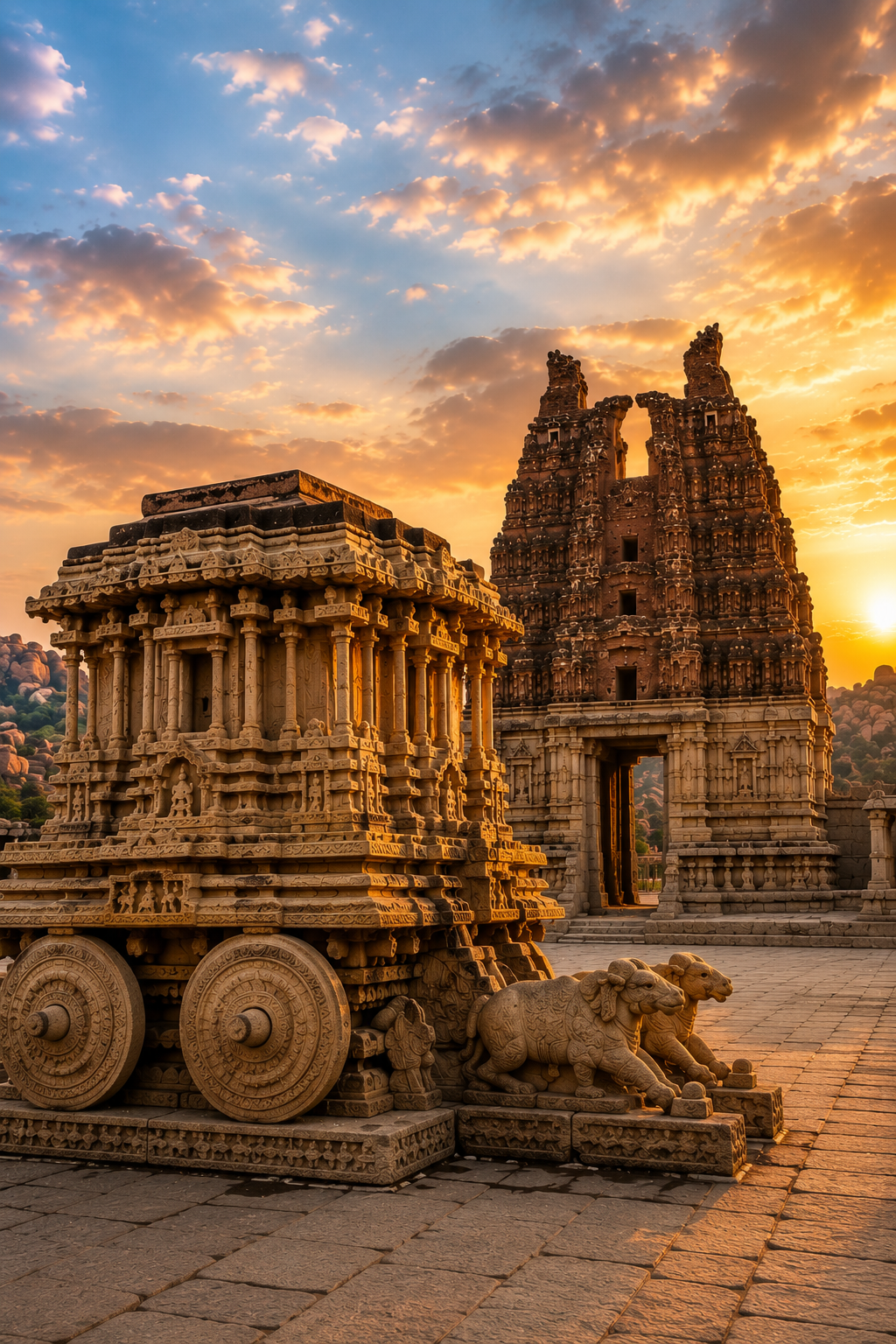
Ask a student when the Vijayanagara Empire was founded and you may get the year “1336” recited correctly, forgotten by the next term. Now walk that same student through the boulder-strewn ruins of Hampi. Let them stand before the stone chariot they have only ever seen on a currency note, and hear a guide explain how a city of half a million people rose and fell around them. The date stops being trivia. It becomes a place they have stood in.
That shift is the entire case for educational heritage tours, and it is why Heritage Tours was built around meaningful getaways to historic destinations rather than sightseeing checklists.
1336
The date stops being trivia. It becomes a place they have stood in.
Why Indian history resists the textbook
- Indian history is unusually physical. It survives in granite, in temple gopurams, in stepwells and fort walls and the layout of old market streets. A chapter can tell a class that the Cholas were a maritime power; it cannot convey the scale of that ambition the way the Brihadeeswarar temple at Thanjavur does, its vimana rising over sixty metres from a plain, built more than a thousand years ago without modern machinery.
- Textbooks also compress. Centuries collapse into paragraphs, and dynasties blur into one another. On a heritage tour, chronology re-expands into geography. Students see Pallava rock-cut work at Mahabalipuram, then Chola temple building, then Vijayanagara’s urban planning at Hampi — and the sequence finally has a shape they can hold.
NEP 2020
NEP 2020 turned experiential learning into policy
- The National Education Policy 2020 asks schools to move from rote memorization toward experiential, competency-based learning, and to root education in Indian knowledge systems and local context. A well-designed heritage tour delivers on all three at once.
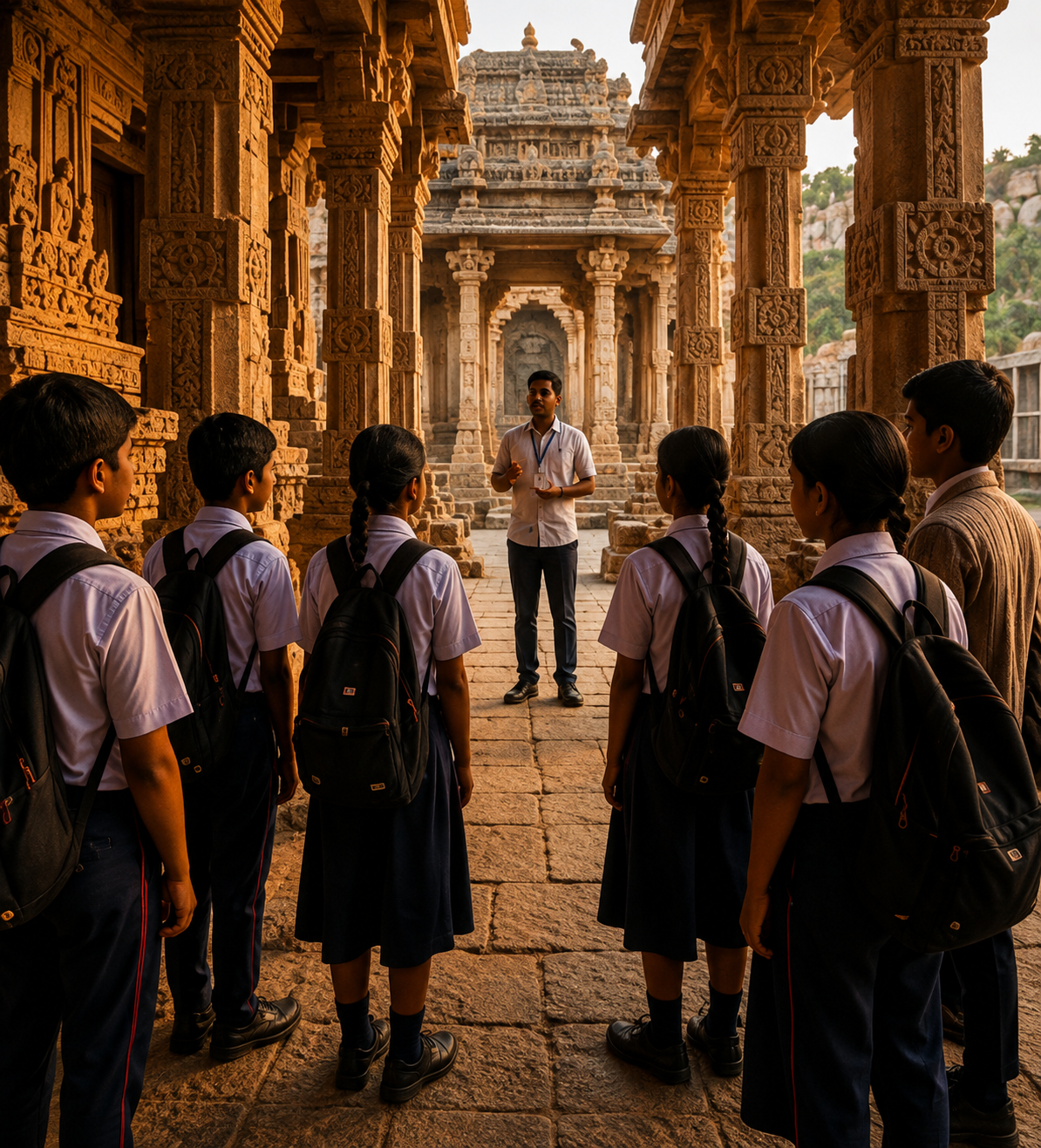
- Our educational tours are structured with that alignment in mind. Spot quizzes at monuments turn observation into recall. Kirtans and meditation sessions at temple towns give students a felt sense of traditions they otherwise only read about. Guided storytelling connects architecture to the economics, faith and politics that produced it. Teachers travelling with us consistently report the same thing: students ask better questions on site than they ever do in class.
Experiential Learning
Students learn by seeing, touching and experiencing history first-hand.
Competency-Based Learning
Develop critical thinking, observation and understanding.
Indian Knowledge Systems
Connect with India’s rich civilizational wisdom and local heritage.
HERITAGE CIRCUITS
A route map through India’s past
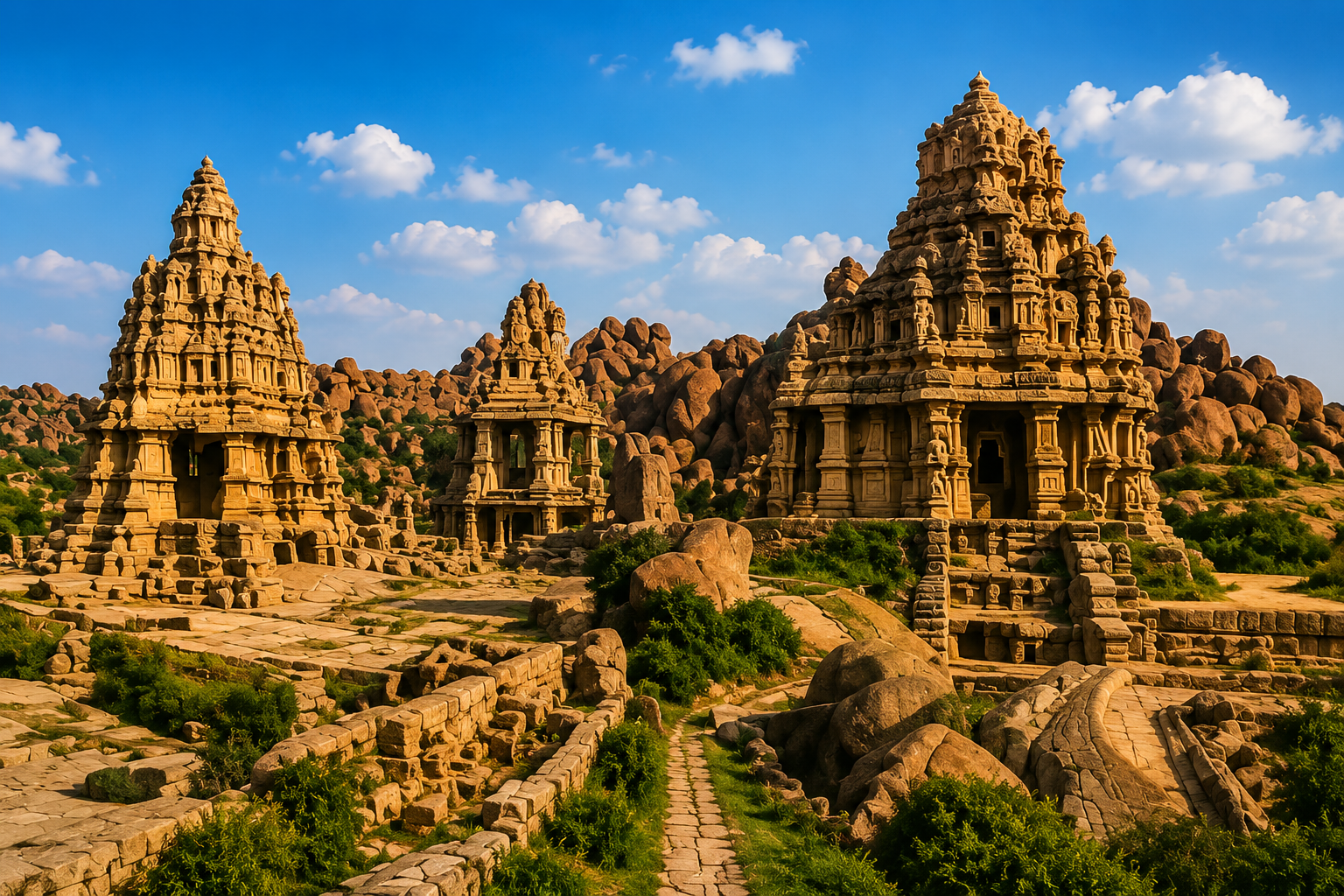
Hampi
Hampi is the single best classroom for medieval South India, a UNESCO World Heritage Site where empire, irrigation engineering and temple art sit side by side. Our 3–4 day format makes it viable within a school term.
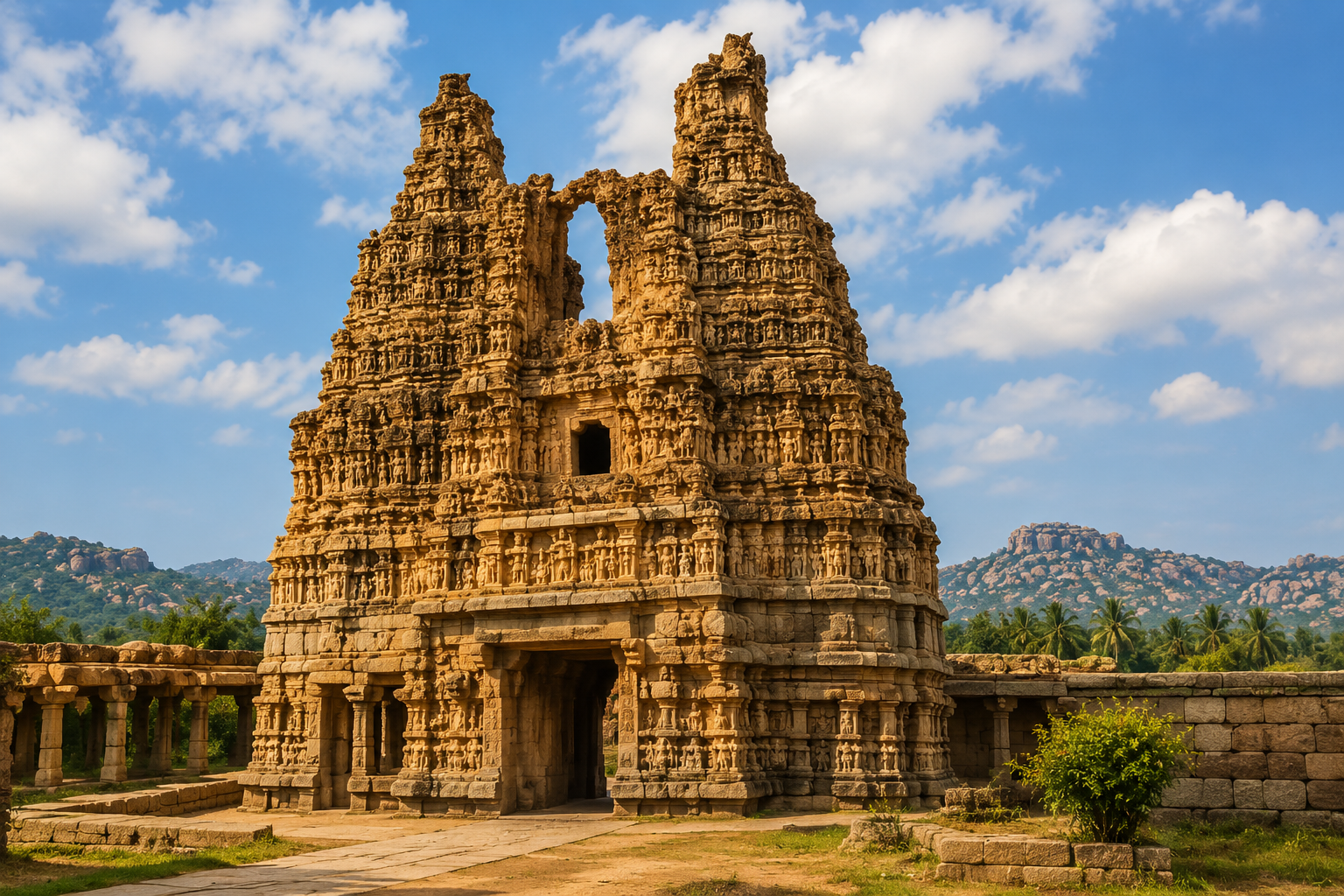
Tamil Nadu
The Tamil Nadu circuit covers Chola and Pallava achievement, from Thanjavur to Mahabalipuram, this is ideal for classes studying South Indian dynasties and temple architecture.
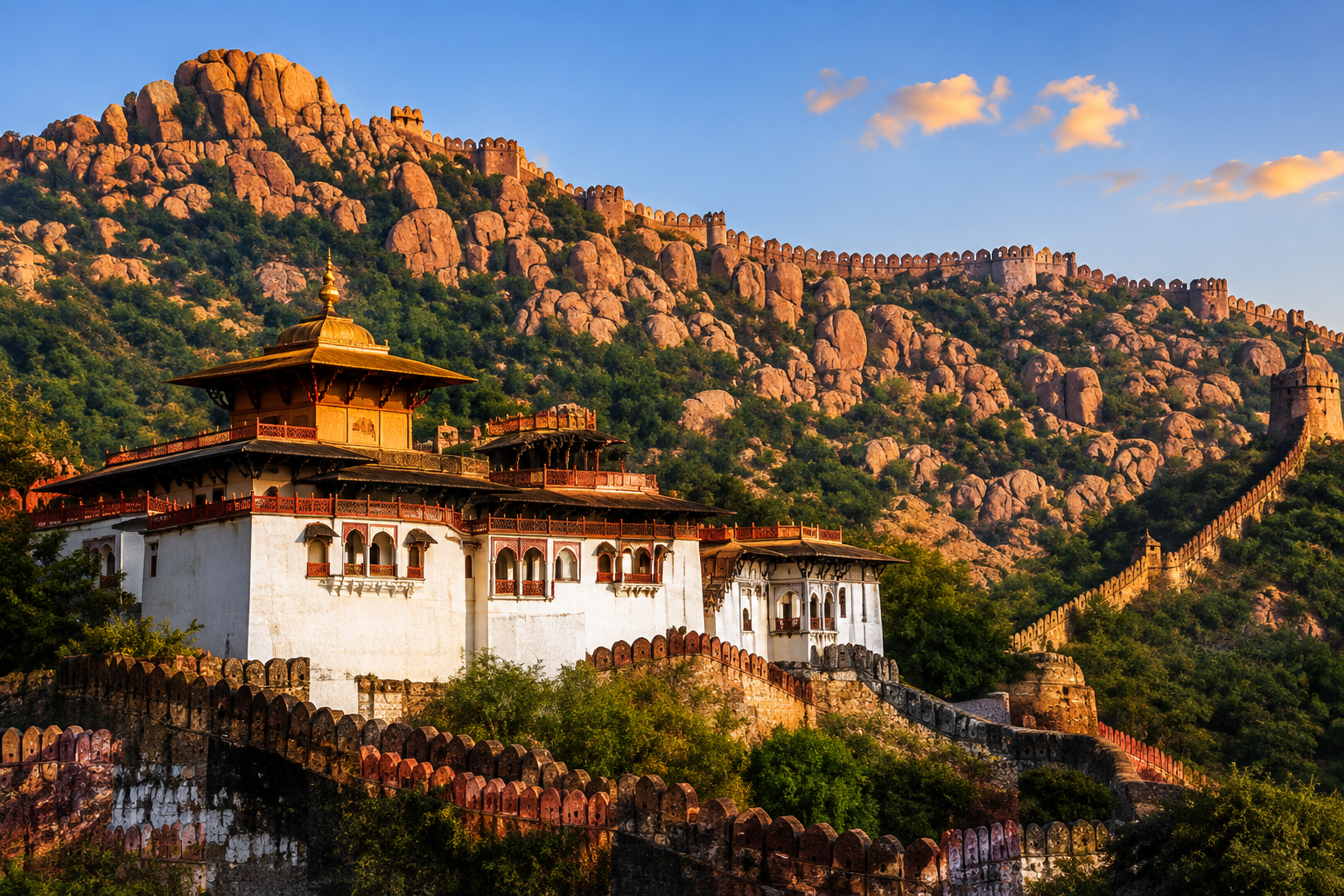
Delhi–Jaipur–Vrindavan
Delhi–Jaipur–Vrindavan layers Sultanate, Mughal and Rajput history against a living devotional tradition, useful for medieval and early-modern modules.
Dwarka–Gir–Somnath
Dwarka–Gir–Somnath pairs one of India’s most rebuilt temples with the last habitat of the Asiatic lion: history and ecology in one 5–7 day journey.
Melukote and Channapatna
Melukote and Channapatna work beautifully as short trips from Bengaluru: the first for Sri Vaishnava heritage and Ramanujacharya’s legacy, the second for a GI-tagged craft tradition students can watch being made by hand.
INDIANS HERITAGE.GLOBAL INFLUENCE
Indian history does not stop at India’s borders
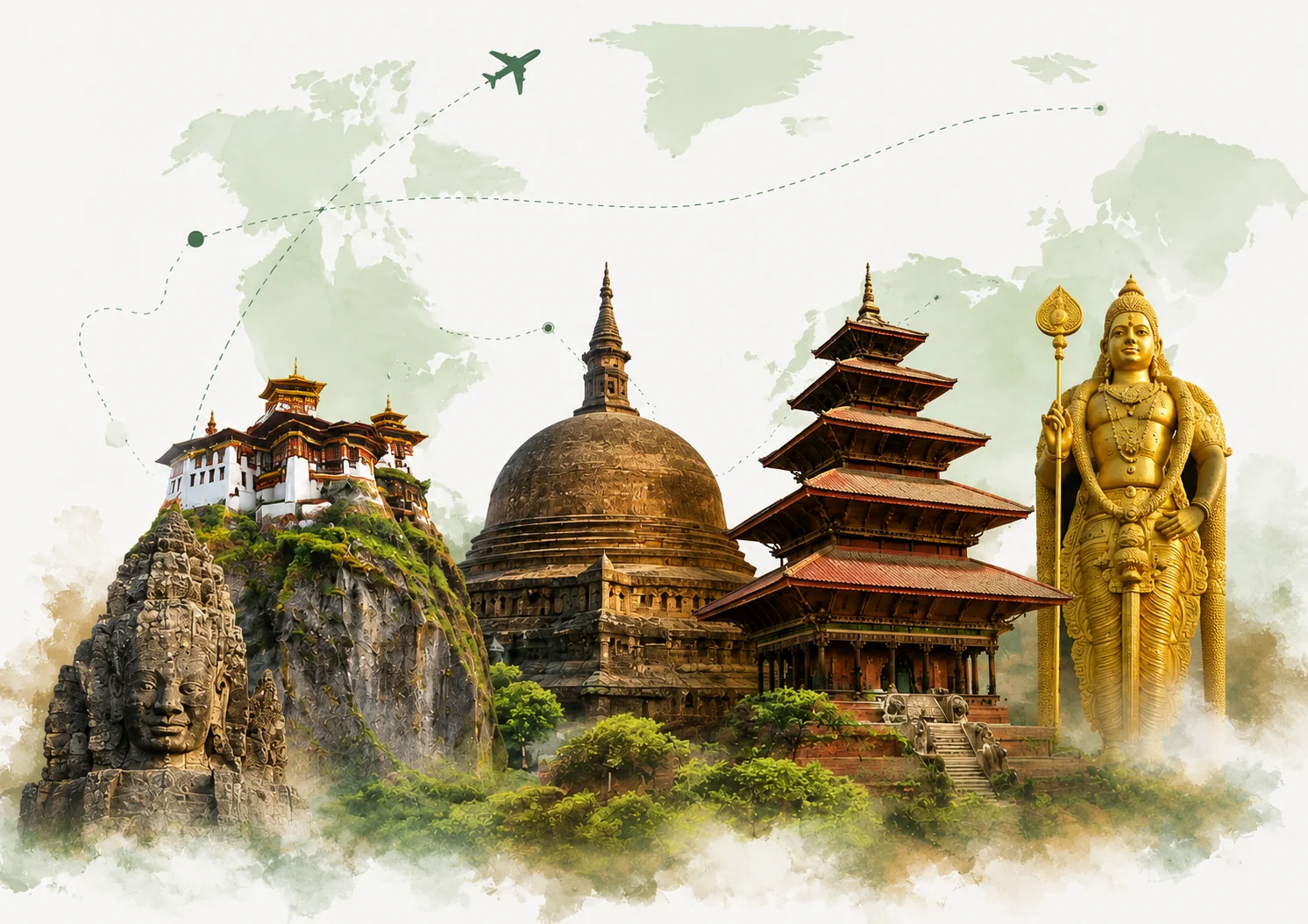
This is the part most classrooms miss, and it is where our international tours earn their place. Indian civilizational influence travelled outward for centuries, and seeing it abroad reframes what students think Indian history even is.
At Angkor in Cambodia, they meet the largest religious monument on earth — a Khmer temple built for Vishnu, its galleries carved with the Ramayana and the churning of the ocean of milk. In Sri Lanka, the Buddhist transmission that began with Ashoka’s mission becomes tangible. Nepal connects the Himalayan world to the Gangetic plain, and Bhutan shows a Vajrayana Buddhist society that has retained its architectural continuity. Even Malaysia carries traces of Chola maritime reach across the Bay of Bengal.
Students return understanding India less as a bordered country and more as a civilization that exported ideas: a genuinely different mental model.
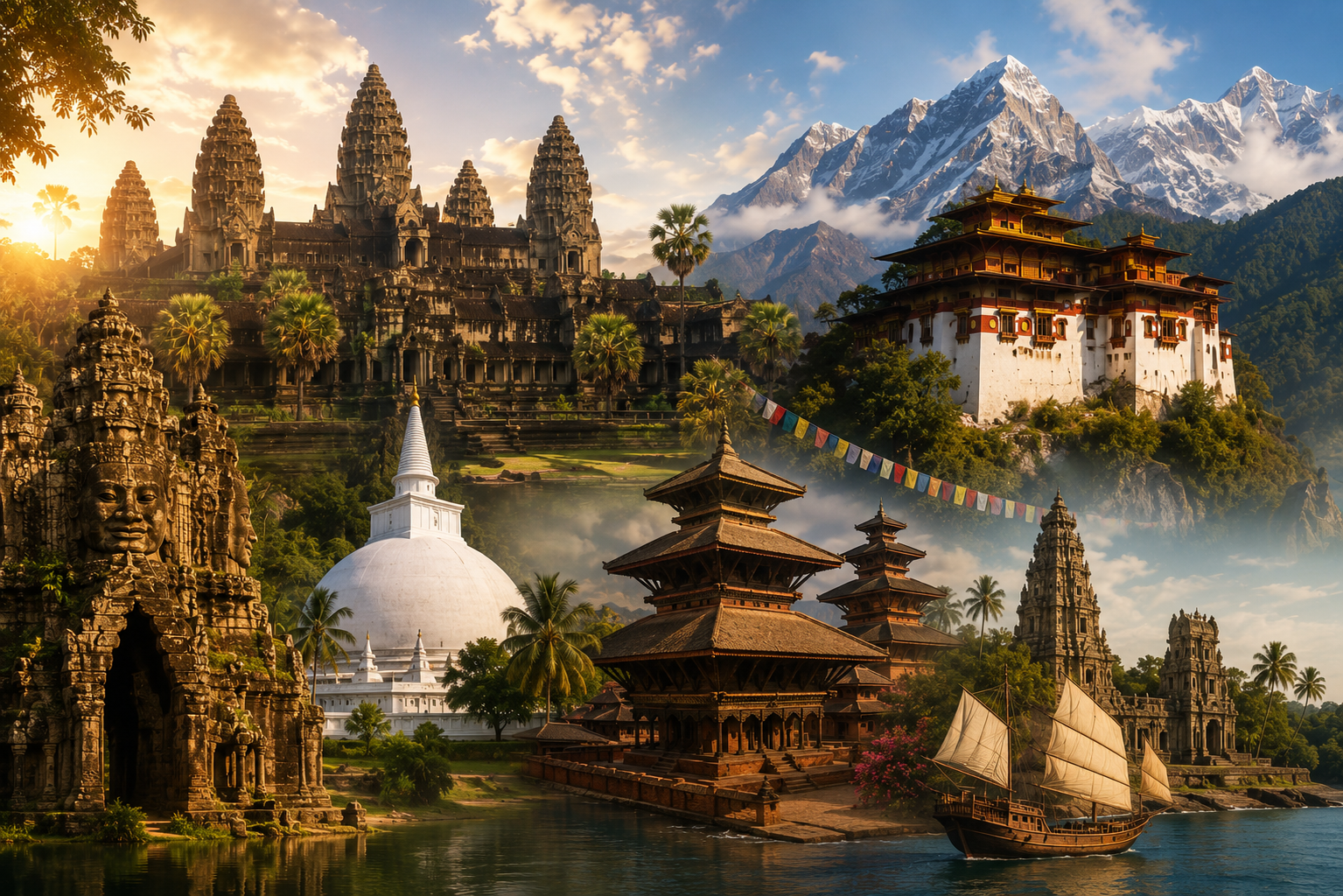
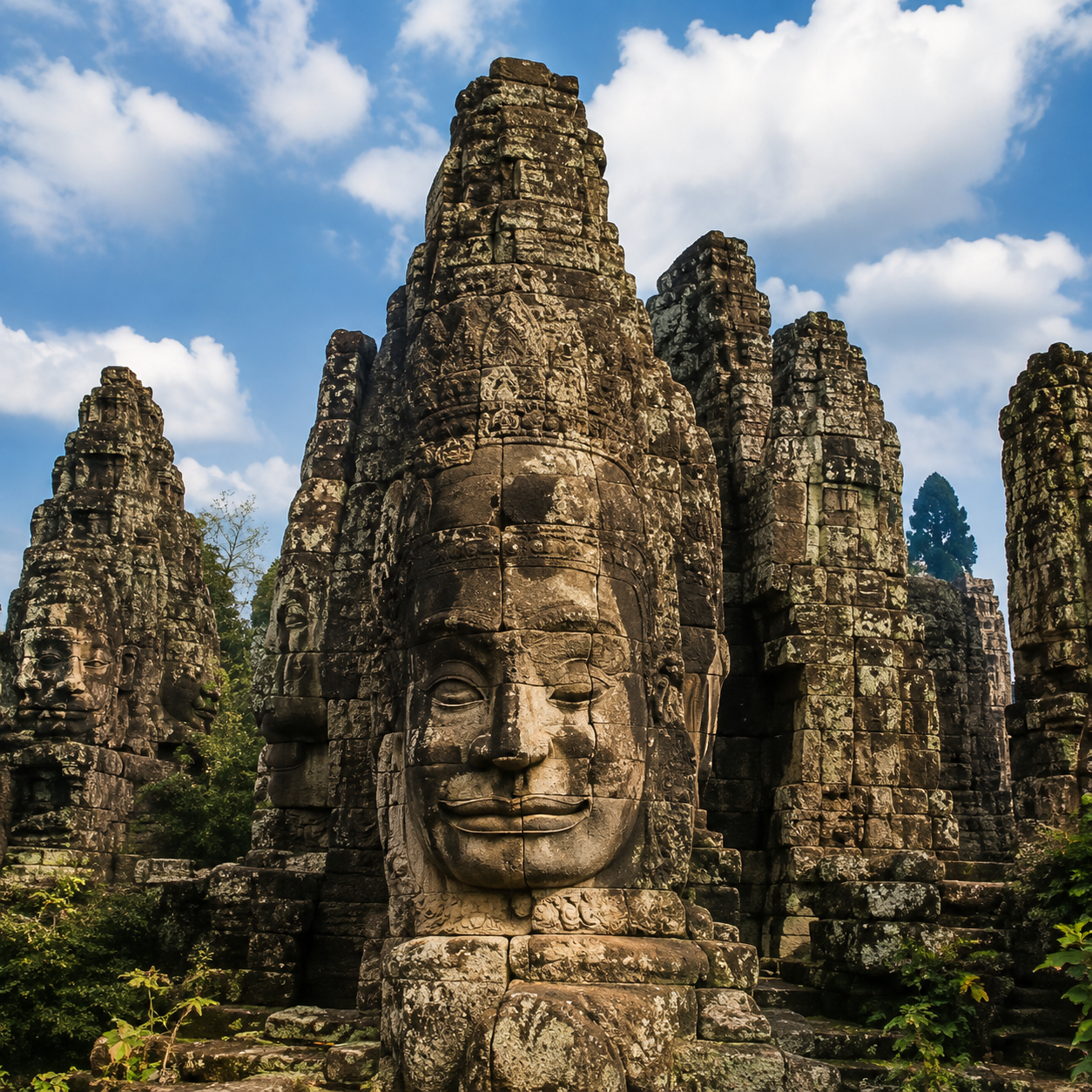
Angkor Cambodia
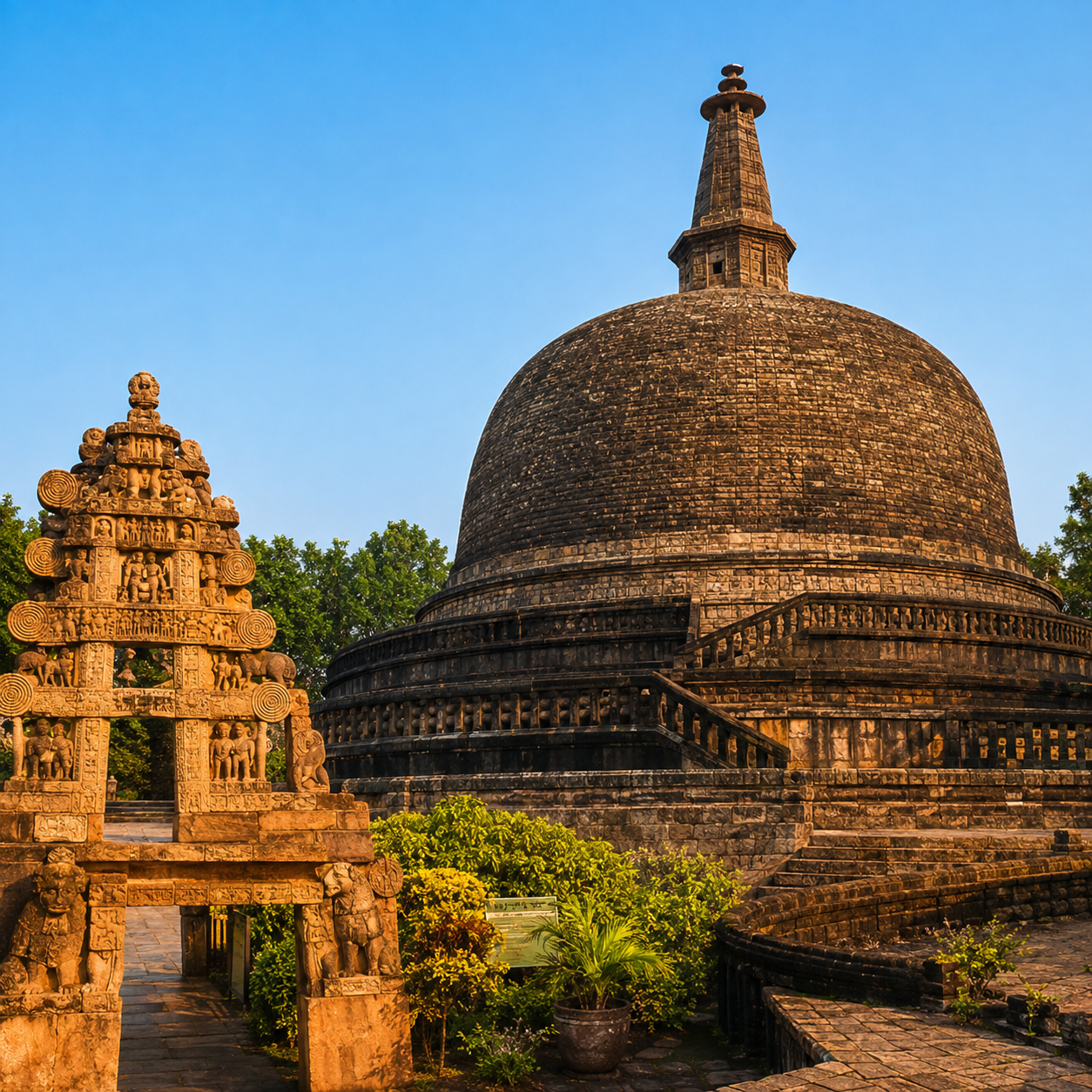
Sri Lanka
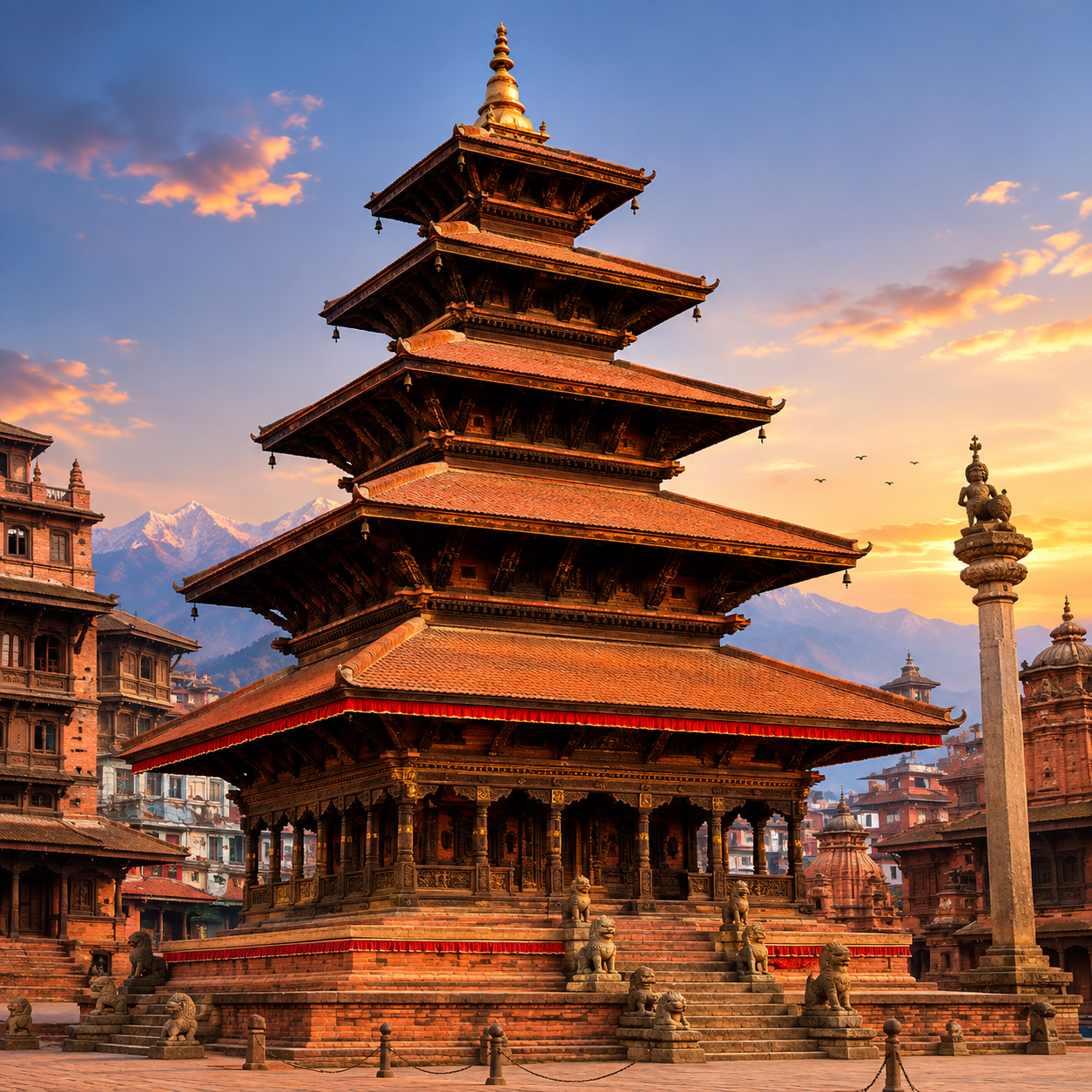
Nepal
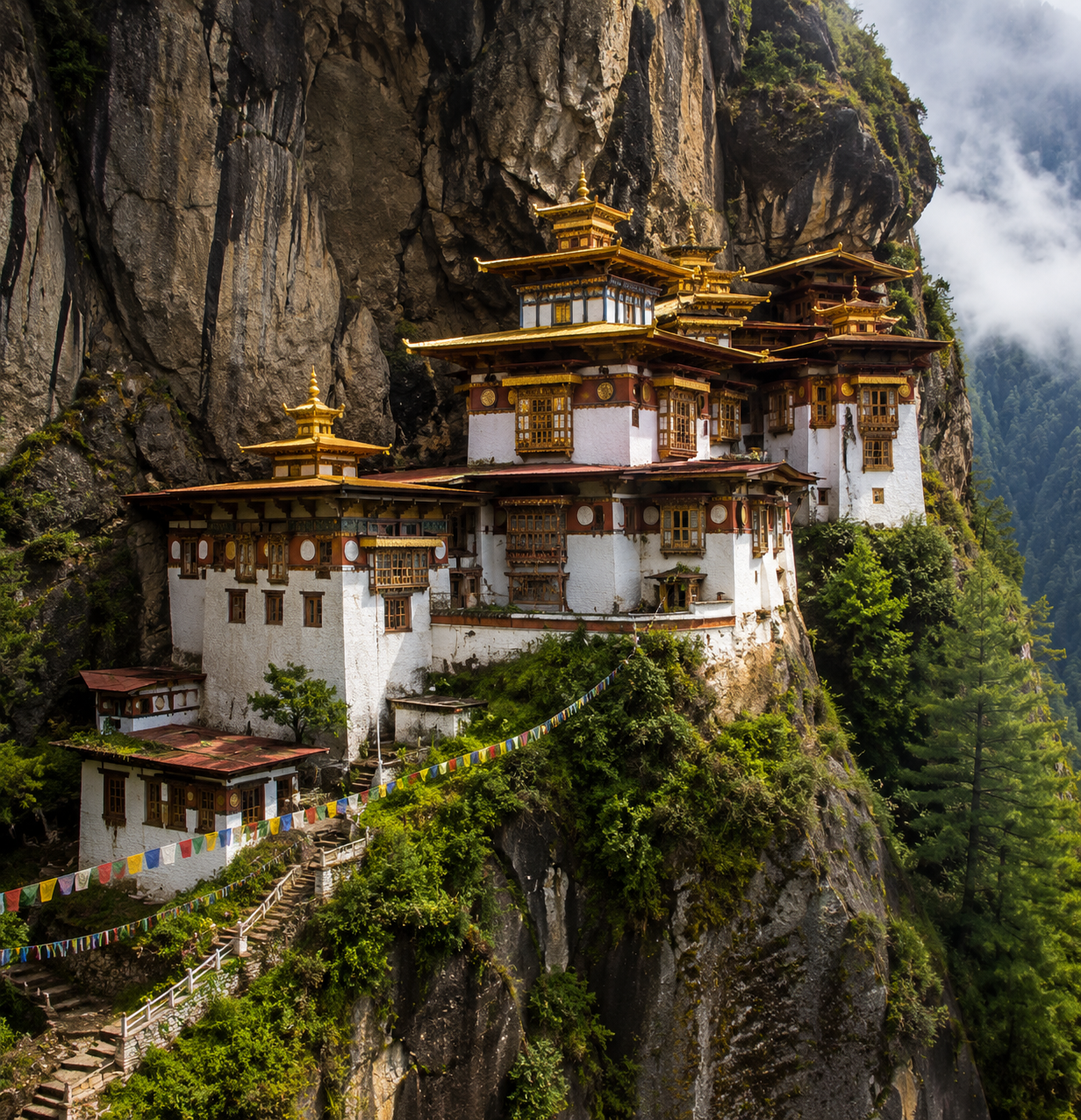
Bhutan
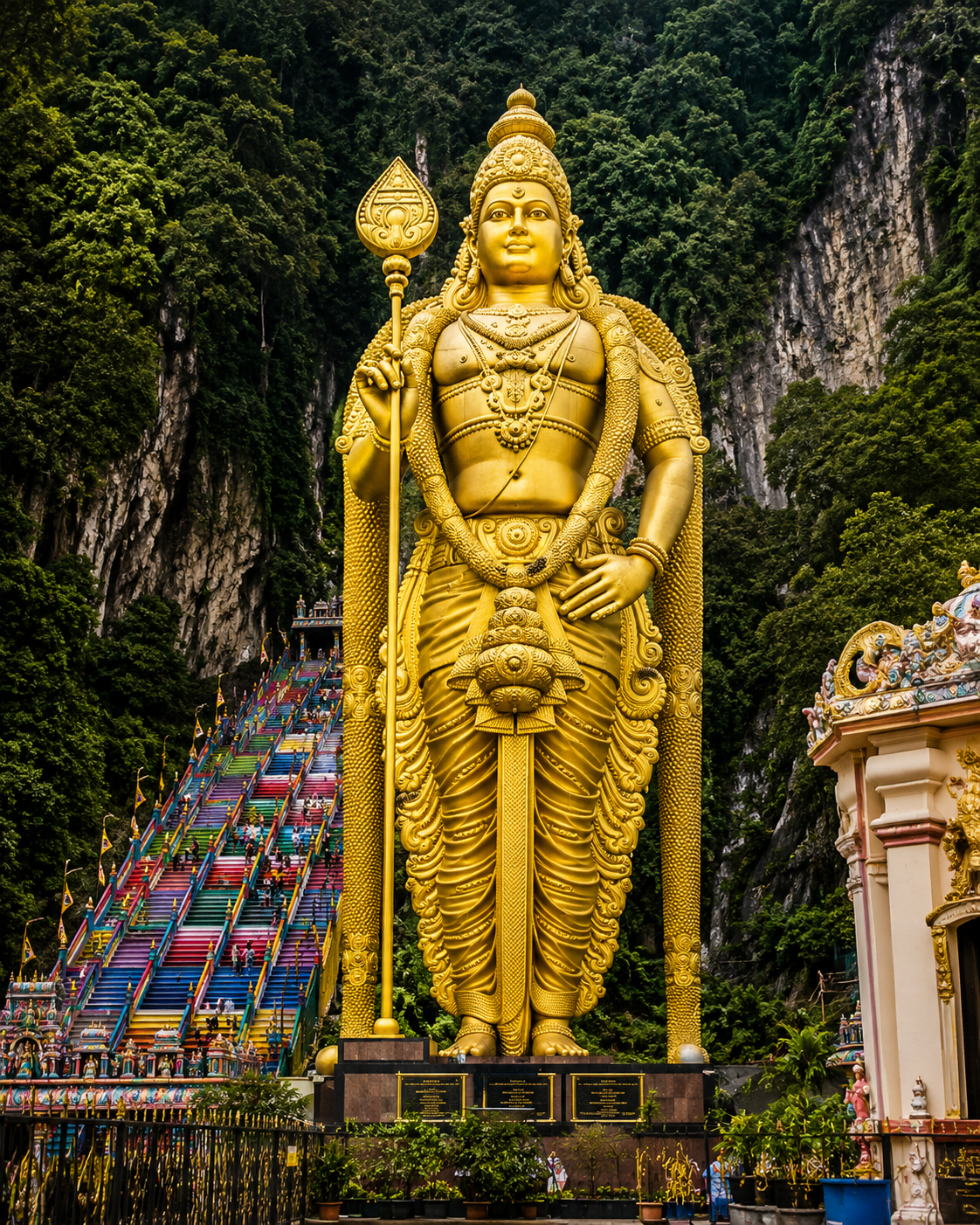
Malaysia
What makes it educational rather than merely enjoyable
The difference lies almost entirely in execution. Our tours run with experienced, professional guides who can pitch the same monument differently to a Class 7 group and a Class 11 group. Travel is on luxury buses with vetted accommodation and dining, because a tired, badly-fed group learns nothing. Planning is end-to-end, so teachers supervise students instead of chasing logistics. And every itinerary is built around personalized care: group size, age band, dietary needs and academic focus all shape the final plan.
India’s history is waiting outside the classroom — let’s take your students to it.
📞 96069-16268 / 90717-94435